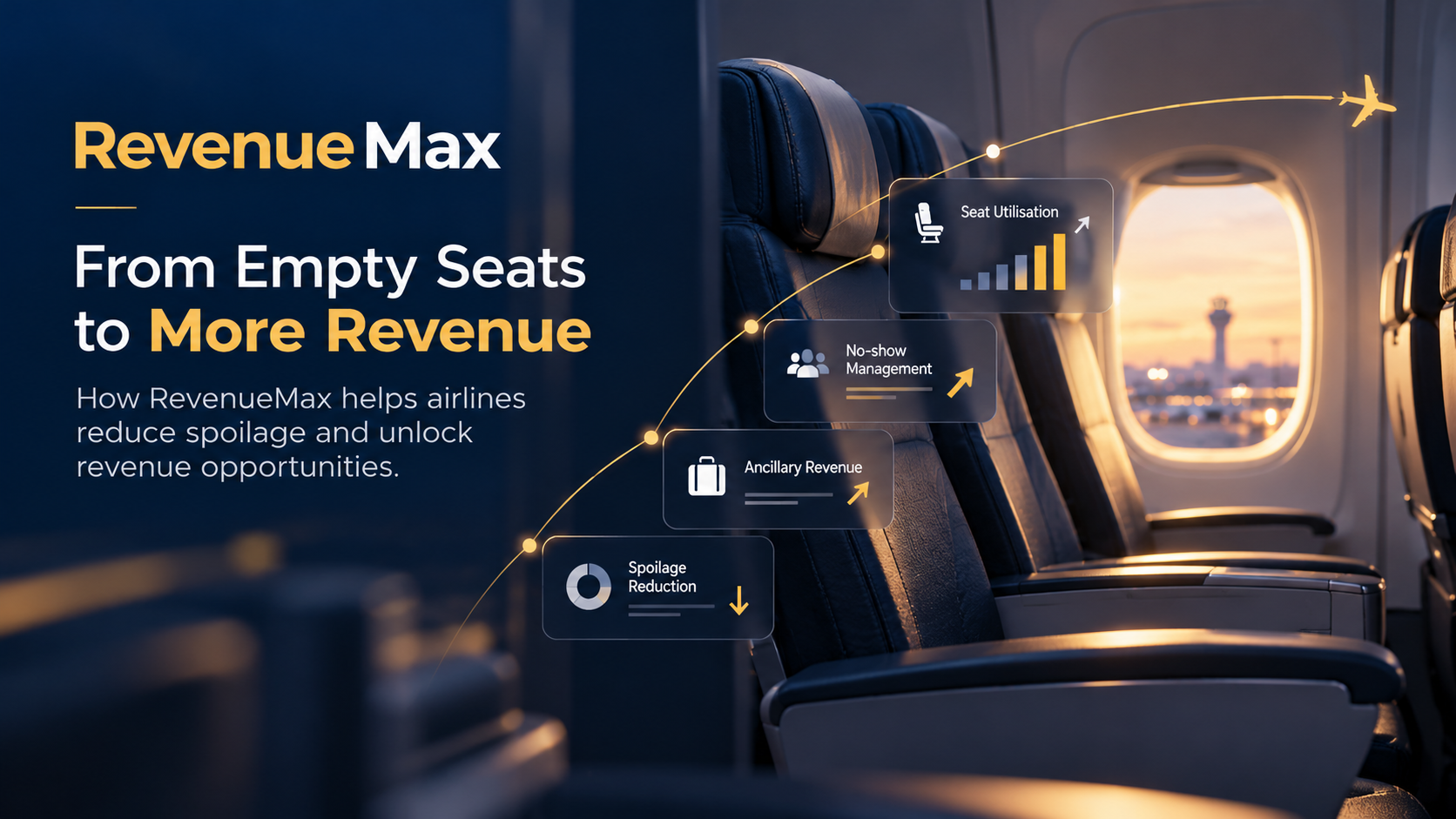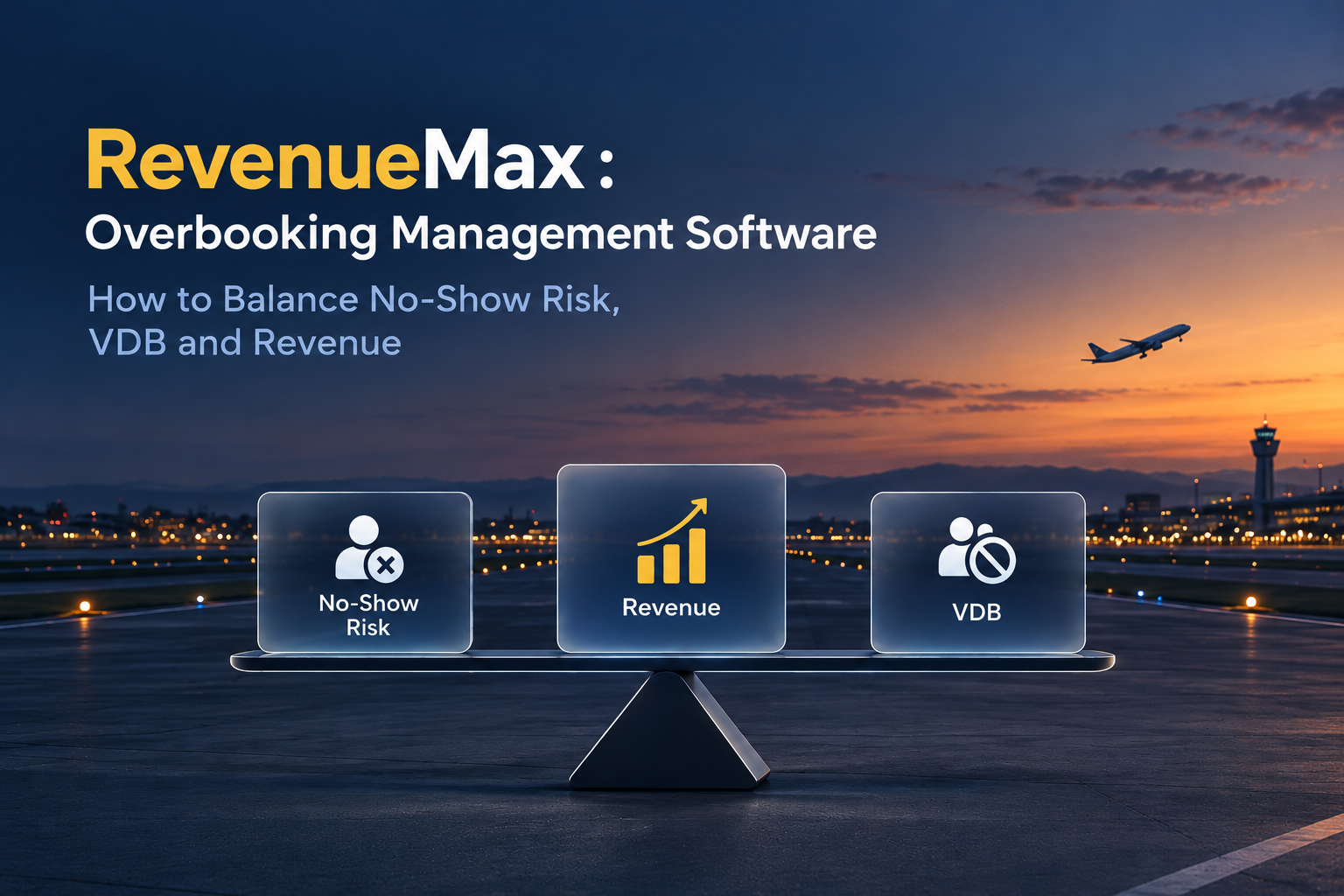
Airline overbooking is a delicate commercial decision. Sell too few seats, and no-shows leave valuable capacity unused. Sell too many, and airlines risk involuntary denied boarding, compensation costs and passenger dissatisfaction. The challenge is to maximise revenue without compromising the passenger experience.
22North’s Airline overbooking management software – RevenueMax helps carriers balance these competing priorities through predictive analytics, capacity optimisation and proactive passenger engagement.
Why Traditional Overbooking Strategies Fall Short
Traditional overbooking models often rely on historical no-show rates and fixed booking limits. However, passenger show-up behaviour varies by route, departure time, booking patterns and changing travel circumstances. Static assumptions can lead to spoiled seats on one flight and oversold departures on another.
Airlines need a more dynamic approach that connects no-show prediction, overbooking management and real-time capacity decisions.
From No-Show Prediction to Voluntary Denied Boarding
The objective is not simply to sell more tickets. It is to identify capacity risks early and resolve them intelligently.
When a flight is likely to exceed its available seats, airlines can identify passengers willing to travel on an alternative flight in exchange for an appropriate incentive. This voluntary approach creates an opportunity to rebalance demand before the airport gate becomes a pressure point.
Think of it as a game of +2 / −2: two seats gained through better capacity utilisation must be weighed against the cost and feasibility of moving passengers. Every decision should account for expected revenue, incentive costs, operational constraints and passenger choice.
How RevenueMax by 22North Helps
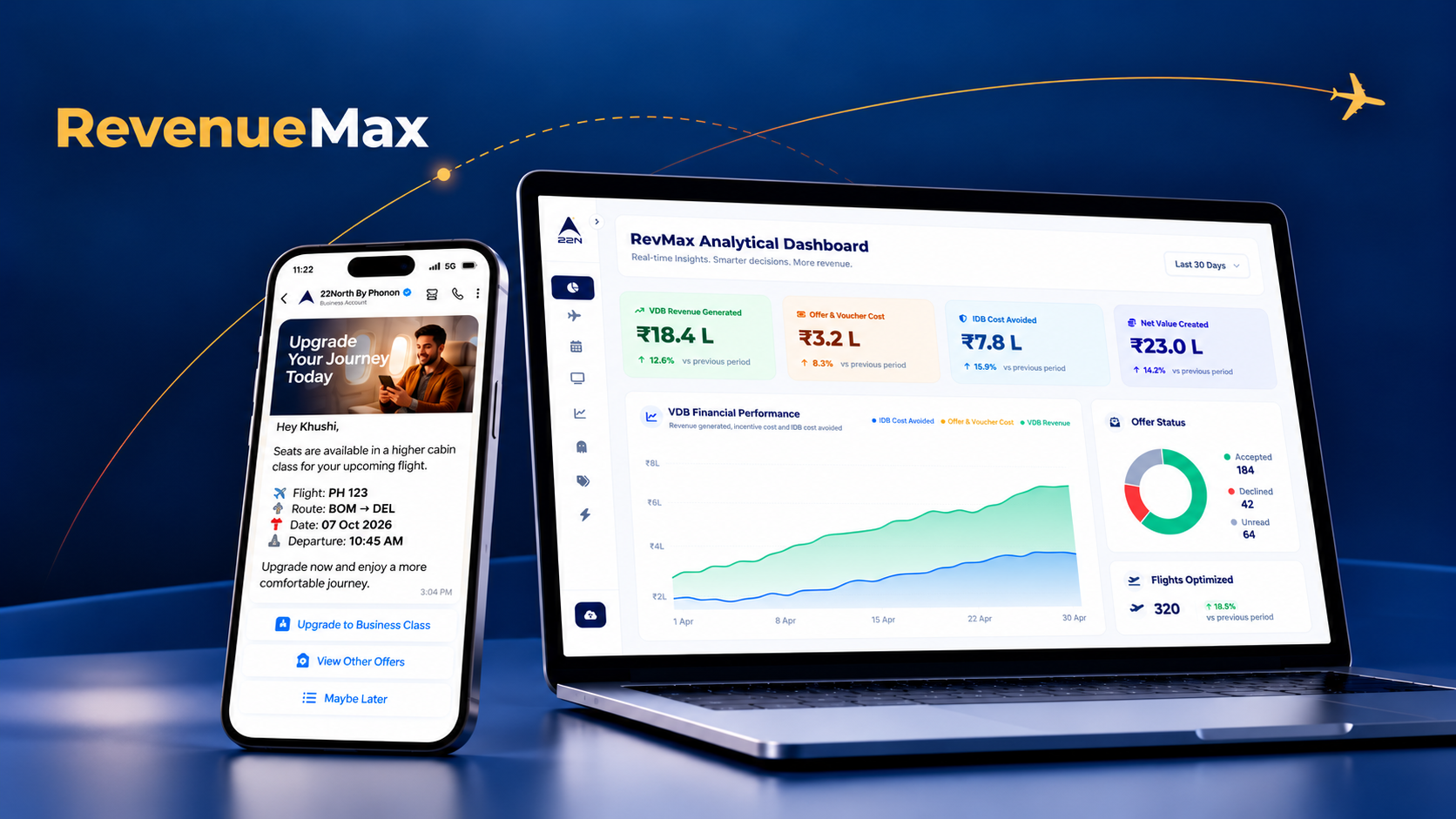
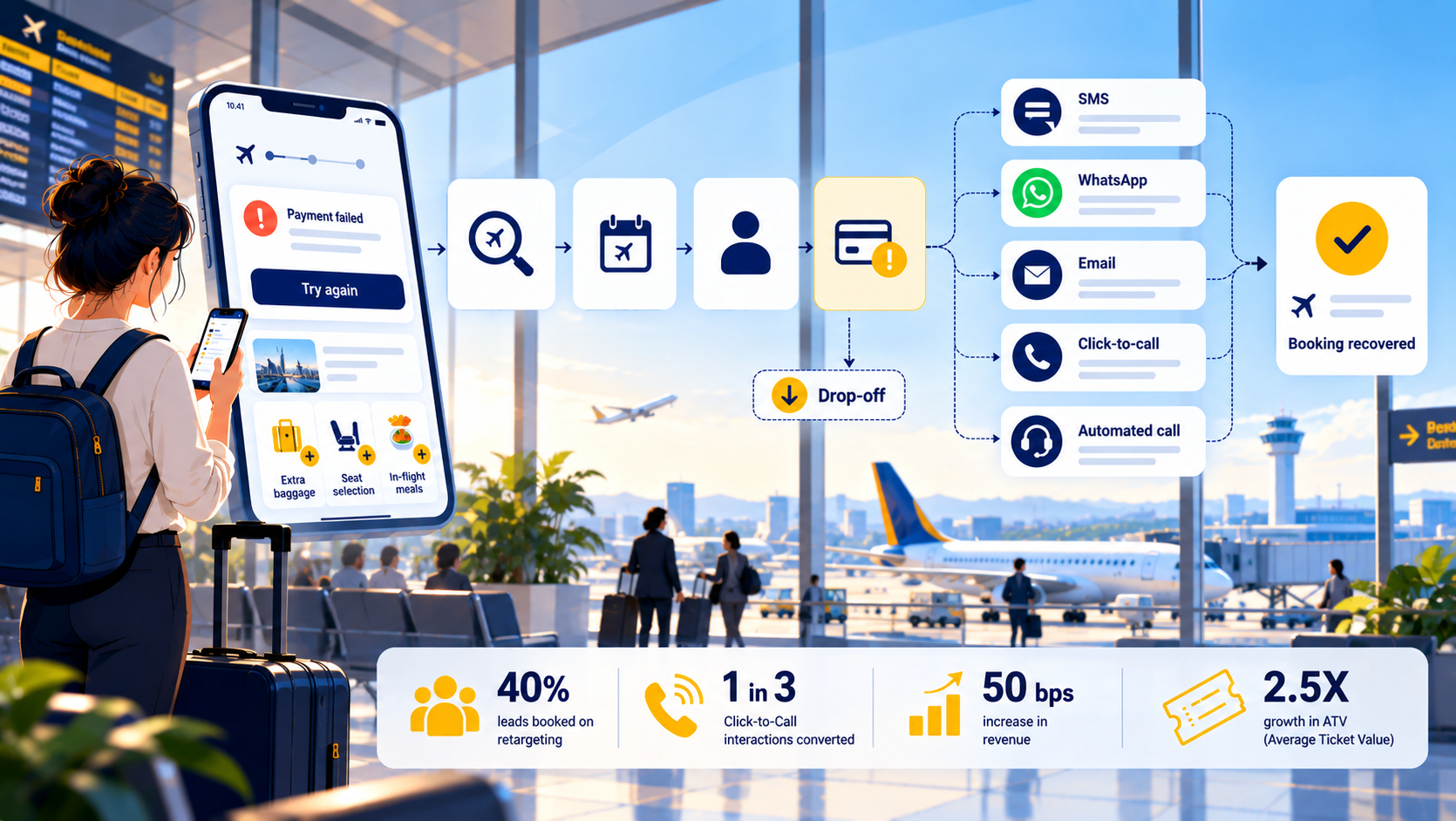
RevenueMax by 22North brings predictive no-show intelligence and voluntary overbooking resolution into the post-booking journey. It helps airlines identify at-risk capacity, target flexible passengers with relevant incentives and reallocate seats before departure.
By connecting capacity decisions with revenue recovery, airlines can reduce avoidable denied boarding, recover potentially lost seat revenue and improve load factor.
The goal is smarter overbooking, not more overbooking. With RevenueMax, airlines can move beyond static booking limits towards data-driven capacity optimisation that balances commercial performance with passenger experience.