
From Disruption Alerts to Disruption Recovery

In a disruption, passengers remember two things: how long they waited and how clearly they were guided. With 22North as its passenger operations platform, this airline is moving beyond the traditional “send an alert and hope for the best” approach to end-to-end disruption recovery. Instead of simply notifying passengers about delays or cancellations, the airline can create recovery plans, execute rebooking and compensation workflows, and communicate next steps to every affected passenger at scale. Here’s how it works. 1. Detect the Disruption, Not Just the Flight 22North connects to live operational feeds and Passenger Service System events, including delays, cancellations, misconnections, and aircraft-on-ground situations. Rather than treating every impacted passenger as a separate issue, the platform groups affected PNRs into disruption cases that can be managed as a single recovery event. This allows teams to focus on resolving the disruption rather than responding to thousands of individual complaints. 2. Build and Select the Best Recovery Plan For each disruption case, the airline can evaluate multiple recovery scenarios. These may prioritise operational cost, passenger experience, regulatory compliance, or a balanced combination of all three. Once a recovery strategy is selected, it becomes the operational source of truth, defining exactly what each passenger is entitled to receive. 3. Turn Recovery Plans into Passenger Journeys 22North applies business rules to determine the most appropriate action for each passenger. Depending on eligibility, passengers can be: The platform then initiates coordinated, two-way conversations across SMS, WhatsApp, email, and voice channels, allowing passengers to resolve disruptions through a few taps or a single phone call. 4. Keep Systems and Passenger Promises Aligned As passengers make their selections, 22North synchronises those decisions across operational systems, including departure control, movement control, inventory management, and passenger itineraries. This ensures that what is promised during the conversation is reflected in the systems used by airport staff, operations teams, and crew. The result is a consistent experience that eliminates the gap between what passengers are told and what the airline can actually deliver. The Outcome Modern disruption management is no longer about sending messages faster. It is about orchestrating operations, policies, and passenger decisions through a single workflow. By bringing recovery planning, execution, and communication together, airlines can reduce operational complexity, improve passenger satisfaction, and turn disruption management into a coordinated service experience rather than a reactive process.
Turning Drop-Offs into Revenue: Ancillary Growth & Drip Marketing for a Low-Cost Carrier
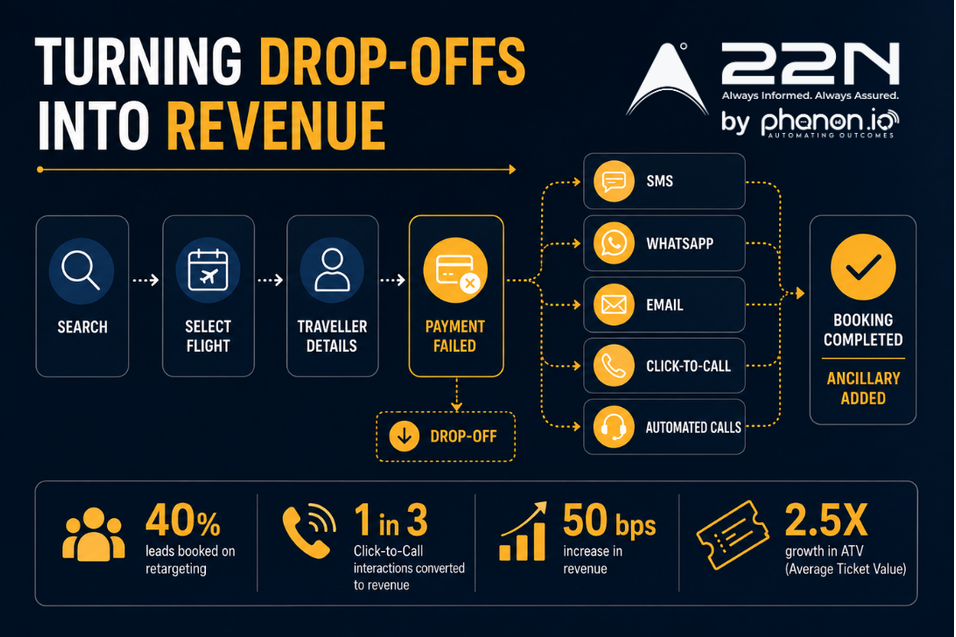
For this airline, the biggest revenue leaks were occurring in the final stages of the booking journey: failed payments, abandoned carts, and missed ancillary sales opportunities. By addressing these critical moments, the airline achieved a 50-basis-point increase in revenue and a 2.5x lift in average ticket value from recovered bookings. Here’s how it works—without overwhelming passengers with unnecessary messages. 1. Start with Revenue Leakage, Not Campaigns Rather than launching generic marketing campaigns, we begin by identifying where revenue is actually being lost: failed payments, abandoned itineraries, incomplete bookings, and overlooked ancillary offers. Each leakage point becomes a dedicated recovery journey with a clear objective and measurable outcome. 2. Listen to Live Operational Signals Instead of relying on delayed batch exports, 22North connects directly to booking engines, payment gateways, and PNR systems. When a payment fails, a booking stalls, or an ancillary purchase is abandoned, the event is captured in real time and immediately becomes actionable. 3. Apply Intelligent Decisioning Before any communication is triggered, a central decision layer evaluates the passenger’s context: The result is fewer, more relevant interactions instead of overlapping reminders. 4. Orchestrate the Right Channel at the Right Time Every recovery scenario follows a predefined engagement strategy. For example, in a failed payment journey: As soon as the passenger completes the desired action, the journey automatically stops. 5. Equip Agents with Context When human intervention is required, agents have full visibility into the customer’s journey, including messages delivered, links clicked, and actions attempted. This reduces repetitive questioning and allows agents to focus on recovering bookings and driving ancillary revenue. 6. Give Business Teams Control Commercial and customer experience teams can modify journey rules, thresholds, and escalation criteria through a visual no-code interface. Whether adjusting call qualification criteria, reminder frequency, or channel sequencing, changes can be made without IT intervention. The Outcome The result is a unified orchestration layer where commercial objectives, operational events, and passenger communications remain aligned. Revenue recovery becomes systematic, ancillary conversion improves, and drip marketing feels like a service rather than a sales campaign.
Baggage Notifications with Jazeera Airways

Baggage Claim Is Not Usually Where Airlines Create Differentiation But that is exactly why it matters. With JazLink, Jazeera Airways has introduced a more coordinated passenger communication experience, including baggage belt notifications that reduce uncertainty at one of the most overlooked moments in the journey. 1. Integration: Bypassing Silos Instead of relying on isolated batch files, 22North connects directly to the core Passenger Service System and live operational feeds. When a flight lands and a baggage carousel is assigned, our orchestration layer registers the event in real time. 2. AI Logic: Making the Right Decision Airlines often end up sending fragmented messages because systems do not speak to each other. 22North acts as the central brain. Before sending a baggage notification, the logic checks the passenger’s context: The result is one clear, relevant message instead of multiple disconnected updates. 3. Omnichannel Delivery: Taking Action Instantly Once the logic clears the message, 22North routes it to the channel where the passenger is already available. In Jazeera Airways’ case, that means WhatsApp, with the message instantly contextualised and delivered close to the operational event. 4. No-Code Workflow Control: Scaling Without IT Dependency The airline’s CX and operations teams do not need IT intervention every time a workflow changes. Using a visual canvas, they can drag, drop, and edit communication triggers as operational realities evolve. The Outcome The result is a unified orchestration layer where operational truth becomes passenger truth. Passengers receive timely, relevant updates, operations remain aligned, and baggage claim becomes another touchpoint where the airline delivers a better travel experience. Interested in learning how your organisation can deliver this kind of passenger communication experience?
Mergers Are Complicated. Passenger Communication Shouldn’t Be.
Mergers can be daunting, especially in the airline industry where operational complexities can impact the passenger experience. At 22North, we believe that while the behind-the-scenes processes may be intricate, passenger communication should remain seamless and straightforward. During a significant airline transition, we ensured that passengers stayed informed and operations remained aligned, all while minimizing disruption. Discover how we achieved faster migration timelines and maintained consistent communication, ensuring a smooth journey for travelers. Ready to learn more about our approach to seamless passenger engagement during large-scale integrations? Read the transition story →
When Operations Go Critical, Communication Can’t Lag
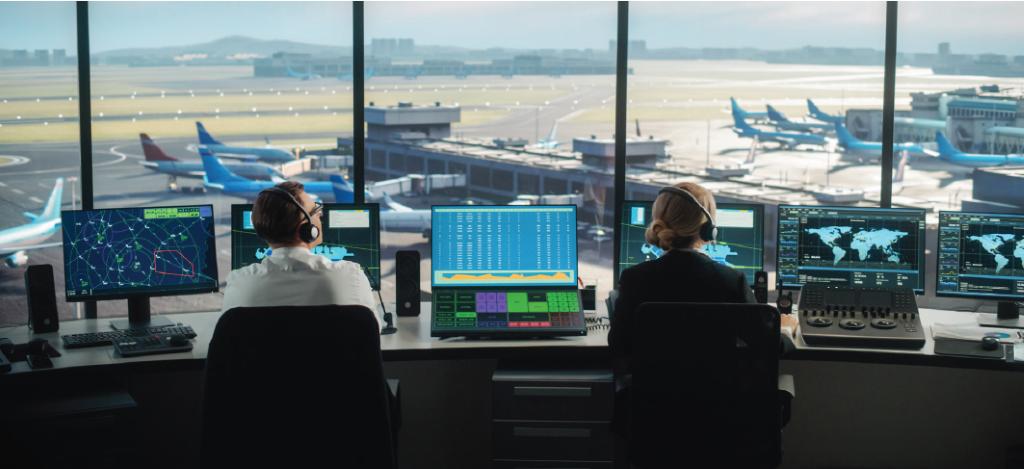
22North acts as flight disruption communication management engine for airlines. This platform ensures disruptions, while inevitable, are communicated clearly, on time and geared towards providing non-aero revenue opportunity to airlines.
Passenger Engagement That Actually Drove Revenue

22North acts as flight disruption communication management engine for airlines. This platform ensures disruptions, while inevitable, are communicated clearly, on time and geared towards providing non-aero revenue opportunity to airlines.
Built for 7 Aircraft. Proven at 400+.

22North acts as flight disruption communication management engine for airlines. This platform ensures disruptions, while inevitable, are communicated clearly, on time and geared towards providing non-aero revenue opportunity to airlines.
The Baggage Belt Became a Communication Channel

22North acts as flight disruption communication management engine for airlines. This platform ensures disruptions, while inevitable, are communicated clearly, on time and geared towards providing non-aero revenue opportunity to airlines.
Delays Happen. Silence Shouldn’t.
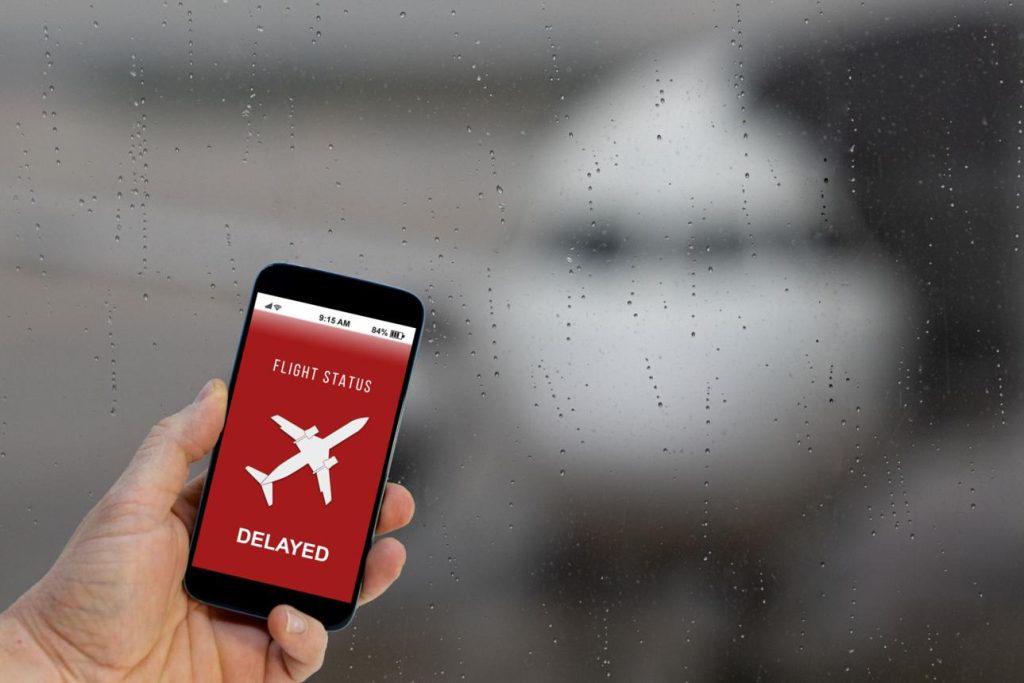
22North acts as flight disruption communication management engine for airlines. This platform ensures disruptions, while inevitable, are communicated clearly, on time and geared towards providing non-aero revenue opportunity to airlines.